Masha and the Bear: My Friends
DEVGAME KIDS gamesRole Playing
4.1180.00 Reviews
- Version
- 1.1.10
- Installs
- 50.00M
- Age Rating
- Everyone
Screenshots
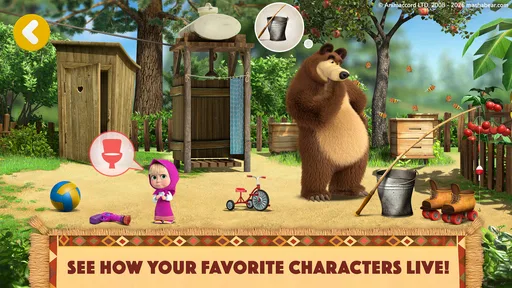
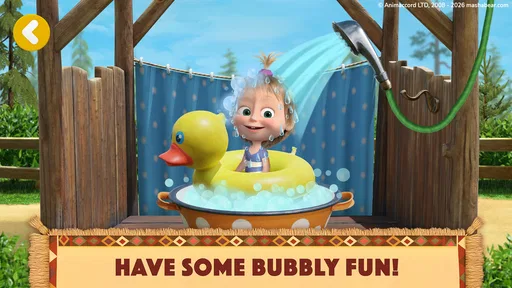
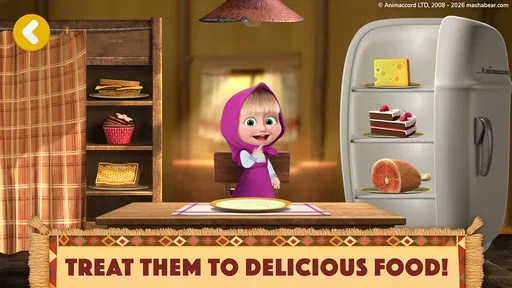
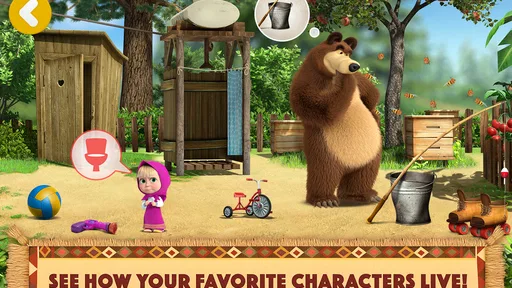
Our Review of Masha and the Bear: My Friends
 Analysis by Appyee
I approached Masha and the Bear: My Friends as a light role-playing game built around caring for familiar characters rather than winning battles or mastering complicated systems. After spending time with it, my impression is that it works best as a gentle, short-session experience for children who enjoy looking after virtual friends. It has the approachable feeling of a digital pet, but the Masha and the Bear setting gives that idea a more recognizable personality for young players.
The game comes from DEVGAME KIDS games and is free to start. It is listed for everyone, which fits its friendly presentation and simple premise. On Android, it supports devices running version 7.0 or later. The current version is 1.1.10, and the game has reached over 50 million installs, so it is clearly aimed at a broad family audience rather than a small group of specialist role-playing fans.
What caring for Masha and her friends feels like
The central appeal is easy to understand: the player spends time with virtual characters, looks after them, and enjoys small activities in a world inspired by the animated series. This is not the kind of role-playing game I would choose for deep character builds, tactical combat, or a long dramatic story. Its role-playing label is better understood as taking responsibility for characters and helping them through everyday moments.
That distinction matters when deciding whether to install it. A child expecting a large adventure may find the experience too contained, while a younger player who likes feeding, checking on, and interacting with a digital companion may immediately understand the attraction. I found the simple structure useful because it does not demand that a new player learn a complicated interface before having fun.
The familiar characters also do some of the work that a traditional tutorial would normally handle. Masha and the Bear provide an emotional reference point, so the player is not entering an entirely unfamiliar world. For a child who already knows the show, that recognition can make the first few sessions feel more inviting than an original virtual-pet game with no established cast.
In an everyday situation, I can see this fitting into a short after-school break. A child can open the game, check what the characters need, complete a few interactions, and stop without having to remember a long chain of objectives. That makes it more suitable for brief visits than for a single extended gaming session. Parents looking for a calm, character-focused activity may appreciate that rhythm, although the exact amount of content a child finds satisfying will depend on how much repetition they tolerate.
A good first game for younger players
The strongest audience is children who are comfortable with touch controls and enjoy pretend care. The game gives them a simple reason to return: their virtual friends are the focus, and the player’s actions are framed around helping and spending time with them. I would also consider it suitable for a parent and child to explore together at first, especially if the child is unfamiliar with games that include optional purchases.
It is less convincing for older players who want constant novelty. A child who quickly moves from one game to another may enjoy the recognizable characters but lose interest once the basic care routine becomes familiar. This is not a criticism of the concept itself; it is a reminder that virtual-pet games depend on the player enjoying repetition, small rewards, and regular attention.
Compared with a conventional role-playing game, the pressure is much lower. There are no expectations of mastering a combat team or optimizing equipment in the way I would expect from a larger adventure. Compared with a basic virtual-pet alternative, the licensed characters give it a stronger identity. The trade-off is that a more open-ended pet simulator may feel richer to someone who wants extensive customization, while this game is more immediately accessible to fans of Masha and the Bear.
Where the free model changes the experience
The download is free, but optional in-app purchases range from $0.99 to $39.99 per item. That is the most important detail for families to understand before handing the device to a child. A free entry point makes it easy to try the game without committing money immediately, but the presence of a high-end purchase option means I would not leave spending decisions entirely to a young player.
I would set up the game with the child and explain that tapping a purchase prompt is not part of the normal care routine. On a shared device, checking the relevant app-store purchase controls is a sensible practical step. This is not about assuming the game is unfair; it is about making sure the child understands the difference between playing and buying something. The purchase range is clear enough to justify that conversation before the first session.
For a player who never spends, the key question is whether the free portion remains enjoyable over time. I found the core idea appealing without needing to treat purchases as the reason to play. Still, families should judge the game by the free experience first rather than assuming that every extra option is necessary. If a child becomes frustrated because a desired item or activity appears connected to spending, the game may stop feeling like a relaxed pet-care experience.
My practical approach would be to let the child play a few sessions without buying anything, then ask what they actually want to do in the game. If the answer is simply to visit and care for the characters, there may be no reason to spend. If the child’s enjoyment depends on repeatedly requesting extras, I would consider whether the game is still a good fit for the household’s rules and budget.
Progress without the usual competitive pressure
One of the more positive aspects of this type of design is that progress does not need to be measured against other players. The appeal comes from maintaining a relationship with the characters, not from proving that one child is better than another. That gives it a different emotional tone from competitive role-playing games, where losing matches or falling behind a ranking can dominate the experience.
For younger players, that can make the game easier to approach. They can focus on understanding what the characters need instead of worrying about a leaderboard or an opponent. I also think this makes it a reasonable choice for a quiet device session when the goal is entertainment rather than high stimulation.
There is a trade-off, though. Without the tension of competition, the motivation to return depends heavily on the child’s interest in the characters and routine. Some players will find that comforting; others may describe it as repetitive. I would not recommend it to a child who specifically asks for multiplayer competition, fast action, or a clear series of difficult challenges.
Parents may also wonder whether spending creates a competitive advantage. This is not the kind of game I would approach as a contest, and the caring format does not make competition its main purpose. The more relevant fairness question is whether a child feels pressured to buy in order to enjoy ordinary play. My advice is to treat purchases as optional extras and evaluate the game on what it offers before spending, rather than using purchases to solve boredom.
Small habits that make the game work better
I found that the best way to use a virtual-pet game is to make it part of a manageable routine rather than an obligation. A child might check in after homework or during a short break, then close the game when that visit is finished. This keeps the experience from turning into a constant demand for attention and helps the player understand that a digital friend does not need to control the whole day.
Another useful habit is to let the child describe what they are doing instead of taking over the controls. With a character-care game, talking through the choices can turn a few taps into a small storytelling activity. Masha and the Bear are particularly suited to that because the player already has a sense of their personalities from the show, even though the game itself remains focused on simple interactions rather than a long narrative.
I would also avoid presenting every available item as something the child should collect. The free-to-start model can make optional extras feel tempting, especially when a colorful game is designed for a young audience. Asking the child which activity they enjoy most is more useful than automatically approving every request. It keeps the focus on play and makes the spending boundary clear.
Who should install it, and who should skip it
I would recommend giving it a chance if your child likes Masha and the Bear, enjoys caring for virtual characters, and prefers short, low-pressure activities. It is also a reasonable option for families seeking an accessible role-playing introduction without the combat, complex menus, and competitive demands found in many other games in the category.
I would skip it if the intended player wants a substantial adventure, intricate customization, challenging strategy, or a game that remains fresh through constant mechanical variety. I would also be cautious if your household does not want to manage optional purchases. The free price is attractive, but the listed purchase range means the game deserves the same spending boundaries as any other child-focused title.
The age rating of everyone makes the presentation approachable, but an age label does not replace parental guidance around device time and purchases. I would still show a younger child how to close the game, explain that purchases require permission, and decide together how often to play. Those simple steps make the experience more predictable and reduce the chance that the child sees the game as an unlimited source of new items.
Fairness, spending, and the questions I would ask first
The average rating is 4.1 from around 52 thousand ratings, with more than 180 written reviews visible alongside it. I see that as a sign of broad interest rather than a guarantee that every child will enjoy the same routine. The large install count shows that the concept has reached many families, but popularity cannot answer the more personal questions: will your child like repeated care tasks, and will the free experience be enough for your household?
I would also ask how much independence the intended player has with the device. If the child uses a parent’s phone or tablet while supervised, the game is easier to manage. If the child plays alone on a device connected to a payment method, I would establish purchase approval before installation. That is the clearest way to keep the free model fair from the family’s point of view.
Another question is whether the game needs to become a daily habit to be enjoyable. I would not encourage a child to feel guilty for missing a session. If the game works well, returning should feel like a pleasant choice, not a chore. Parents who prefer games with a definite ending may find a traditional story game more satisfying, while families who enjoy recurring character care may find this format a better match.
The developer, DEVGAME KIDS games, positions the experience for children, and the recognizable setting gives the game an immediate advantage over anonymous pet-care titles. Even so, I would keep expectations realistic. This is a focused character-care game, not a full replacement for a large role-playing adventure. Its value comes from accessibility, familiarity, and gentle interaction rather than depth.
My verdict after weighing the trade-offs
My overall view is favorable, with an important condition: the game is strongest when treated as a short, supervised virtual-pet experience rather than an expansive role-playing adventure. The Masha and the Bear theme makes the idea easy for young fans to understand, and the low-pressure structure can be a welcome alternative to competitive games.
The free download makes trying it straightforward, but families should remember the optional purchase range before starting. I would begin without spending, watch how the child responds to the basic routine, and only consider an extra purchase if it has a clear purpose and fits the household’s rules. That approach protects the most appealing part of the game: the feeling of caring for characters because it is fun, not because spending is required.
For the right player, this is a friendly first step into children’s role-playing games and virtual-pet play. It is familiar, easy to approach, and better suited to relaxed visits than intense sessions. For players seeking challenge, competition, or a deep progression system, I would choose a different kind of game. For a young Masha and the Bear fan who wants a digital space for simple care and companionship, I think it is worth trying with sensible limits around time and purchases.
Verdict
Strengths of Masha and the Bear: My Friends
- Friendly characters and colorful visuals appeal to young children.
- Simple activities are easy for preschoolers to understand and enjoy.
- Encourages playful exploration without requiring advanced reading skills.
- Suitable for short play sessions at home or while traveling.
- Familiar Masha and the Bear setting adds extra appeal for fans.
Limitations of Masha and the Bear: My Friends
- Some activities may feel repetitive after extended play.
- Younger children may need help navigating menus and device controls.
- The app can take up considerable storage space on some devices.
- In-app purchases may require parental supervision.
- Performance may vary on older phones and tablets.
Similar Picks in This Category
View All
Hair Dye
CrazyLabs LTD4.4

Monster High™ Beauty Salon
CrazyLabs LTD4.5

Bus Simulator - Bus Games 3D
Jima Apps4.4

Flight Pilot: 3D Simulator
Wildlife Studios4.1


Super Stylist Fashion Makeover
CrazyLabs LTD4.4
Frequently Asked Questions
What is Masha and the Bear: My Friends?
Masha and the Bear: My Friends is a child-friendly mobile game inspired by the popular animated series. It lets children interact with familiar characters, explore colorful locations, play simple mini-games, and complete entertaining activities. The gameplay is designed to be easy to understand, making it suitable for younger players who enjoy imaginative play and the world of Masha and the Bear.
Is Masha and the Bear: My Friends suitable for young children?
Yes, the game is primarily designed for children, with bright visuals, recognizable characters, simple controls, and activities that do not require advanced gaming skills. Parents should still check the recommended age rating on the relevant app store, because suitability may vary depending on the child’s age, reading ability, and sensitivity to advertisements or optional purchases.
Does the game require an internet connection?
Some parts of Masha and the Bear: My Friends may work without a constant internet connection after the application has been installed, which is convenient for travel or offline play. However, internet access can be needed for downloading additional content, displaying advertisements, restoring purchases, receiving updates, or using certain online features. Availability may differ between devices and versions.
Are there in-app purchases or advertisements in the game?
The game may include optional in-app purchases and advertising, depending on the version, platform, region, and device settings. Purchases can sometimes unlock additional content or remove limitations, while advertisements may appear during play. Parents are advised to review the store listing, enable parental controls, and protect payment settings before allowing children to play independently.
What can children do in Masha and the Bear: My Friends?
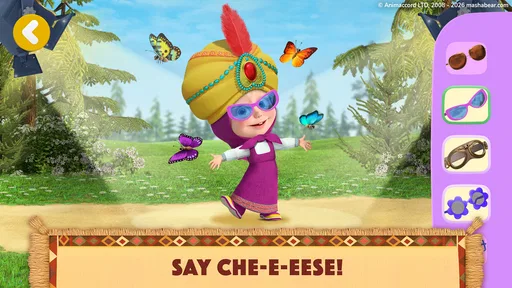
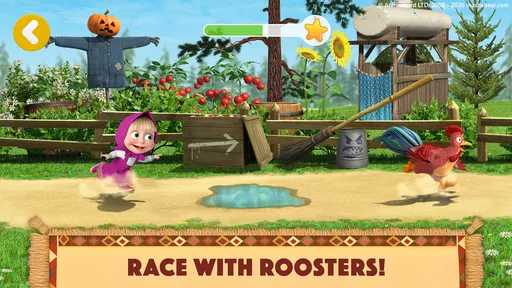
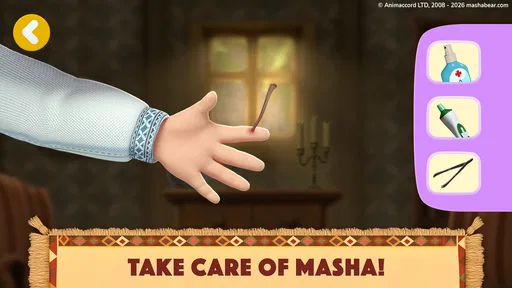
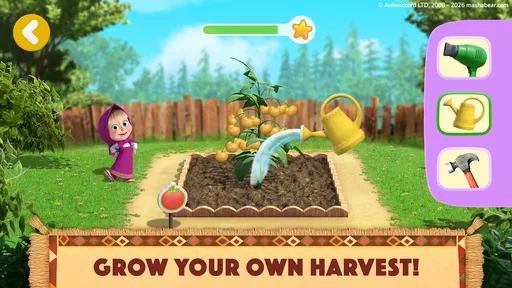
Children can spend time with Masha, the Bear, and other familiar characters through interactive scenes and simple activities. Depending on the installed version, gameplay may include exploring locations, completing mini-games, decorating spaces, caring for characters, and collecting rewards. The experience focuses more on casual entertainment and creativity than on difficult challenges or competitive gameplay.
Play our best games!


